

Wire forming is essential to countless assemblies across medical devices, sporting goods, and industrial equipment, where formed wire components often carry loads, guide motion, or hold a critical connection together. Getting the geometry, tolerance, and finish right the first time saves engineering teams from costly redesigns downstream.
MultiTech Industries’ (MTI) wire forming services are designed for these critical requirements. Since 1993, we’ve supplied Tier 1 manufacturers and OEMs with high-quality products, and our IATF 16949 and ISO 14001 certifications back every part that leaves our floor. Below, we walk through how we form and bend wire, the equipment behind it, the materials we process, and the design factors worth considering before you finalize a print.
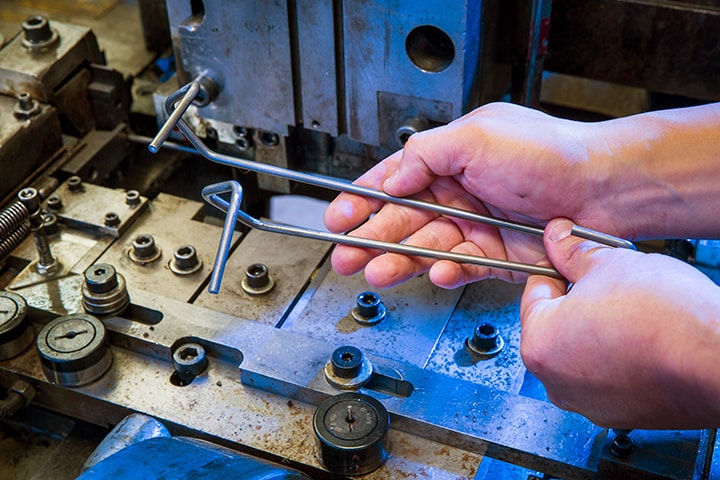
Our Wire Forming Techniques
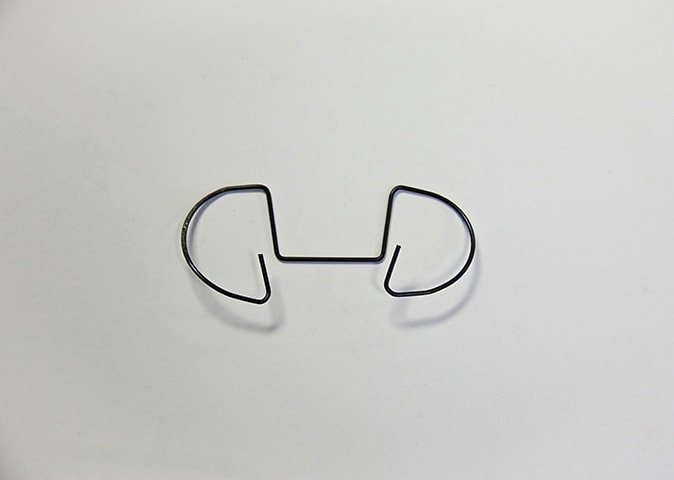
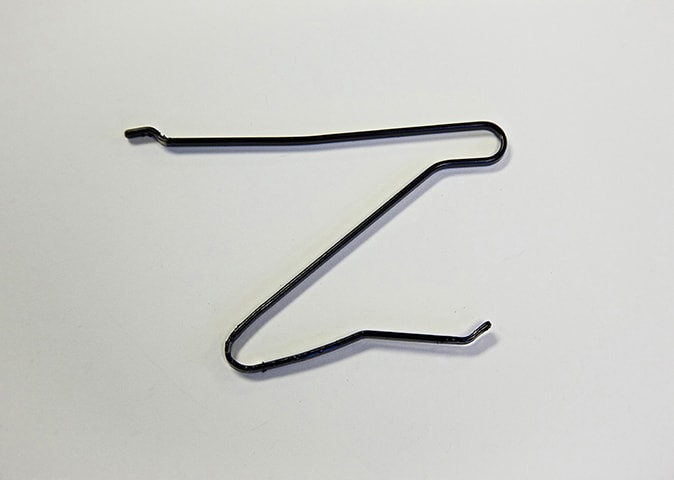
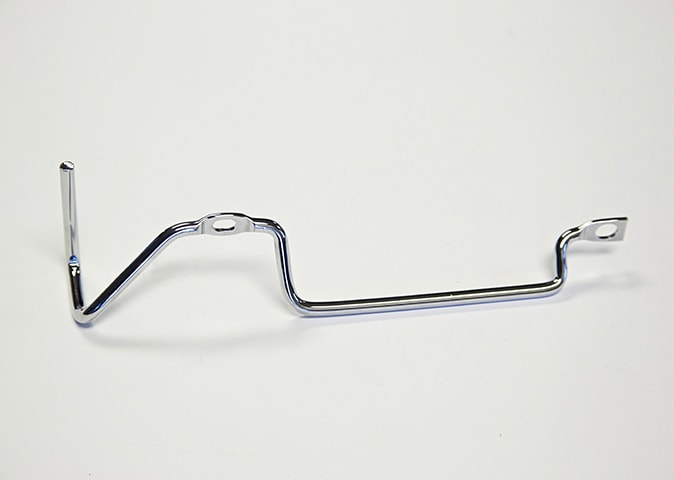
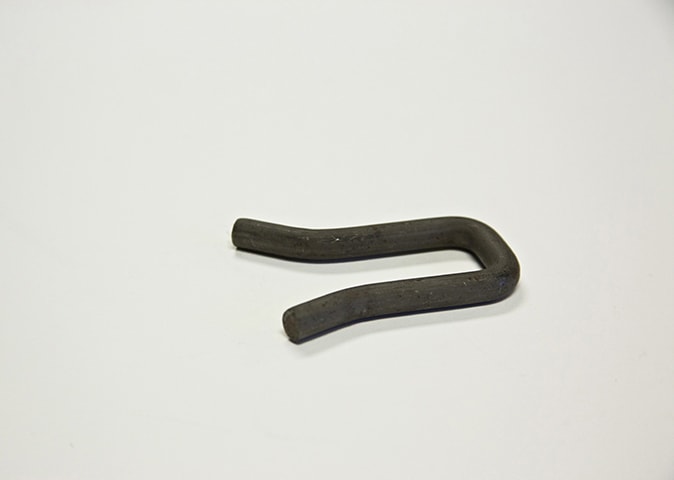
Our wire bending techniques rely on CNC-driven processes built for repeatability. Whether you need a simple bent bracket or a multi-plane assembly with tight radii, our engineers program each job to hold consistent dimensions throughout the production run.
We provide both low-volume prototype runs and high-volume production, so we can support design engineers testing a concept as well as procurement managers scaling a proven part.
Our Wire Bending Equipment
MTI’s in-house tool room supports fast turnarounds: Rather than outsourcing fixture and die work to a third party, our toolmakers design, build, and maintain the equipment on-site. That control can shorten lead times and allow us to adjust tooling mid-program if a design changes, without waiting weeks on an outside shop.
Our CNC wire bending equipment covers a capacity range from 1–12 mm in diameter, so we can take on delicate wire forms and heavier industrial components with ease. Daily quality checks, including CMM measurement and vision-system inspection, help catch deviations before parts ship.
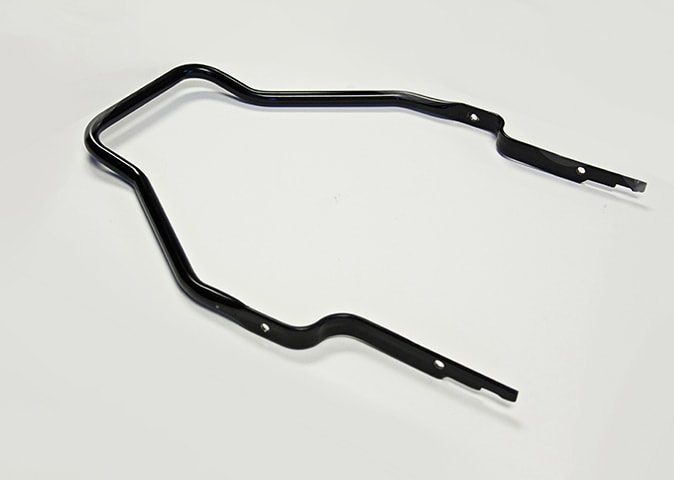

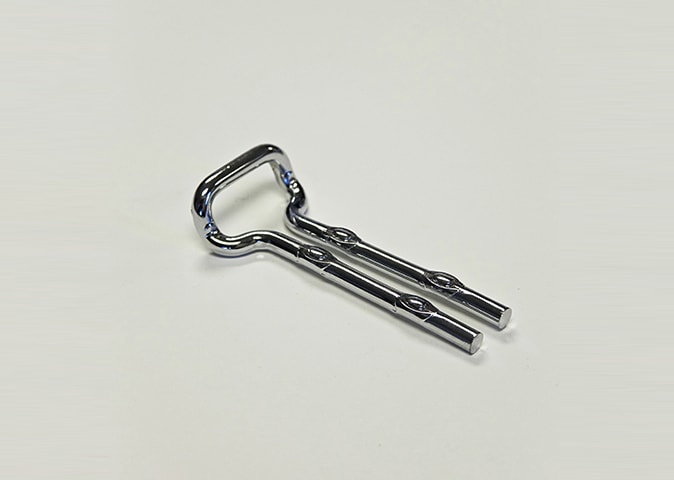
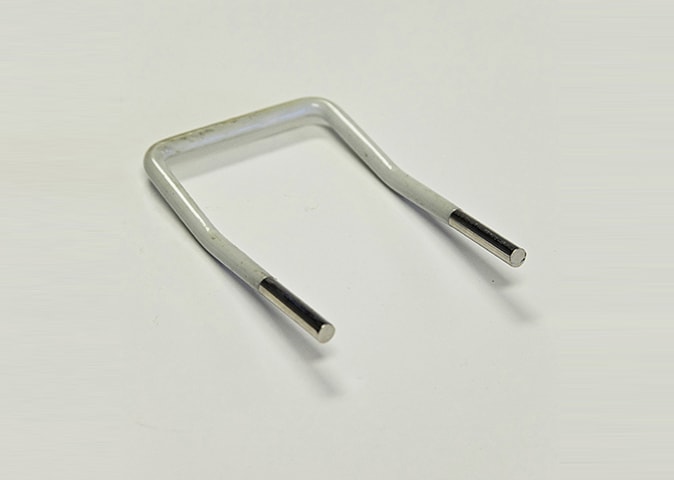
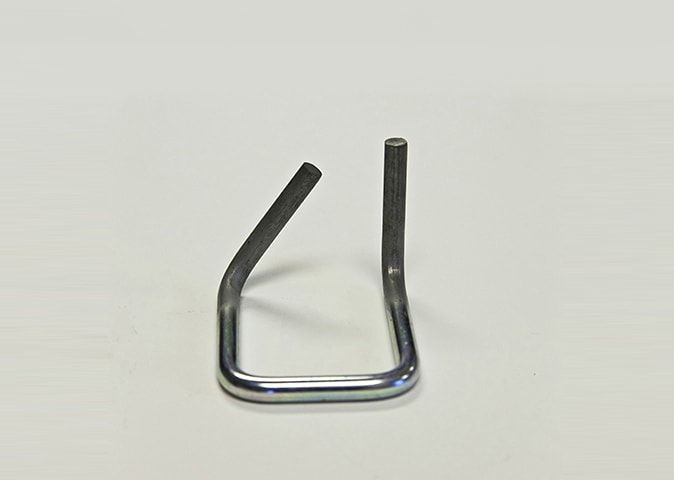
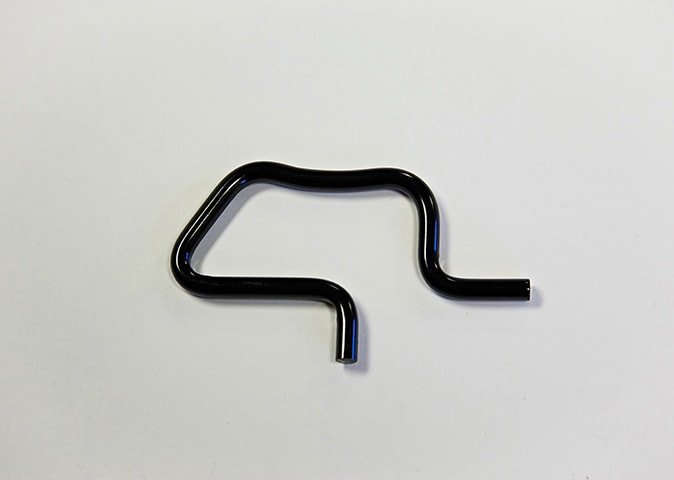
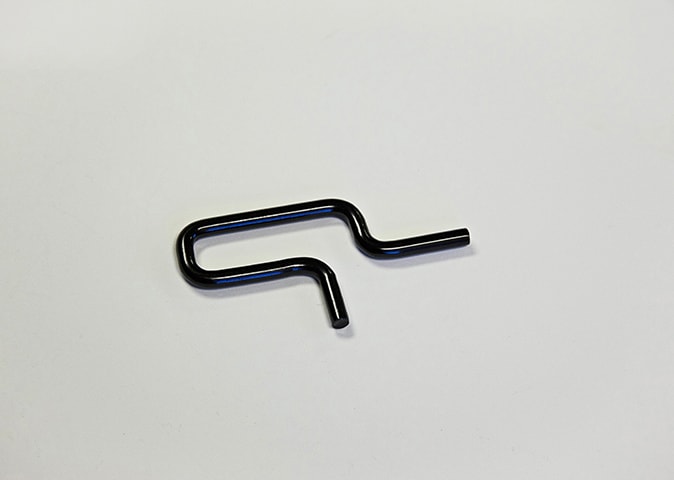
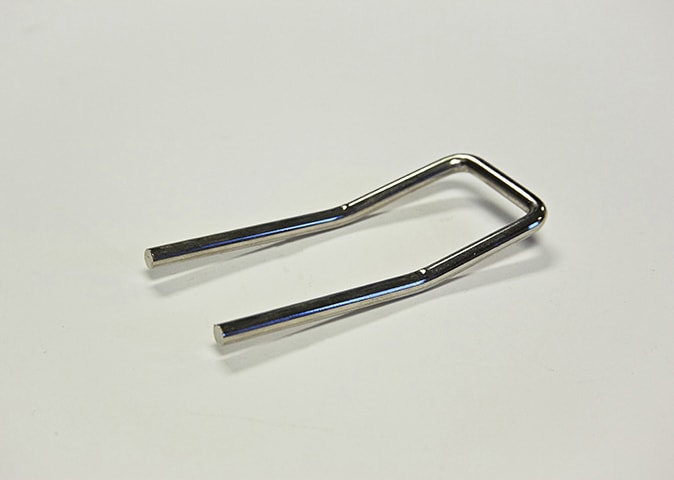

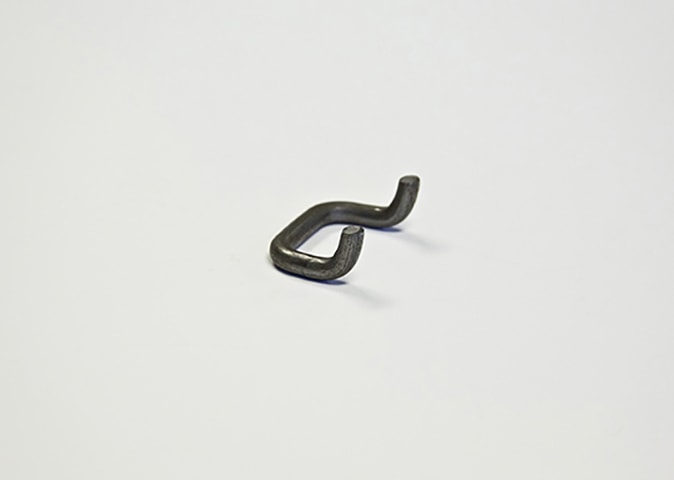
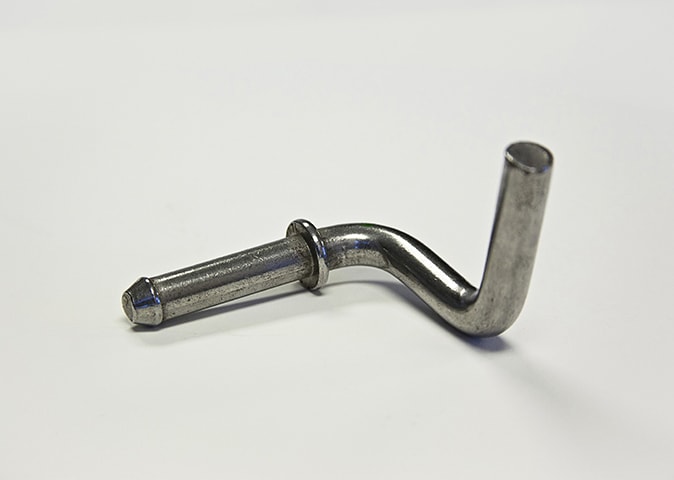
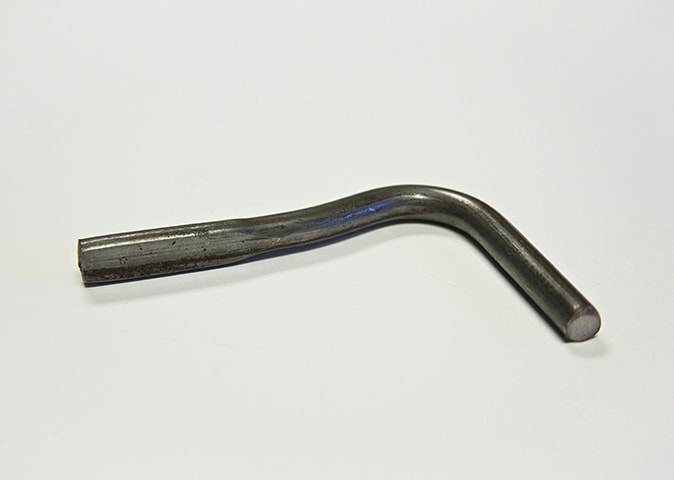
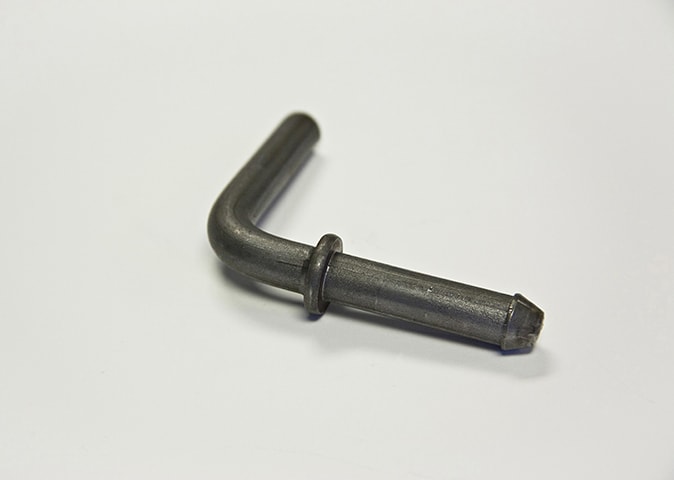
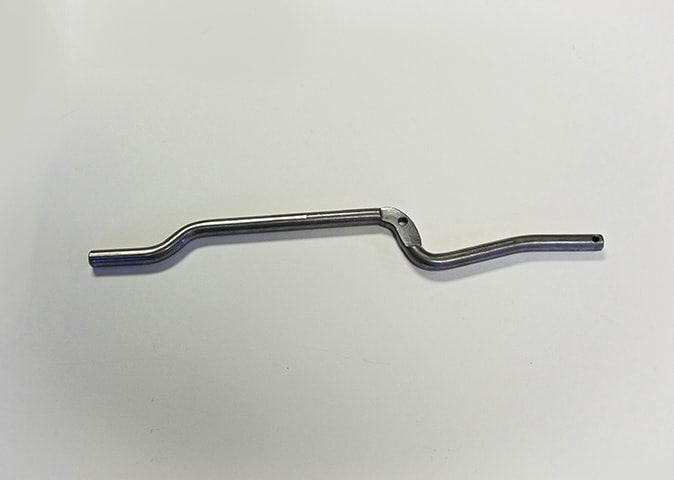

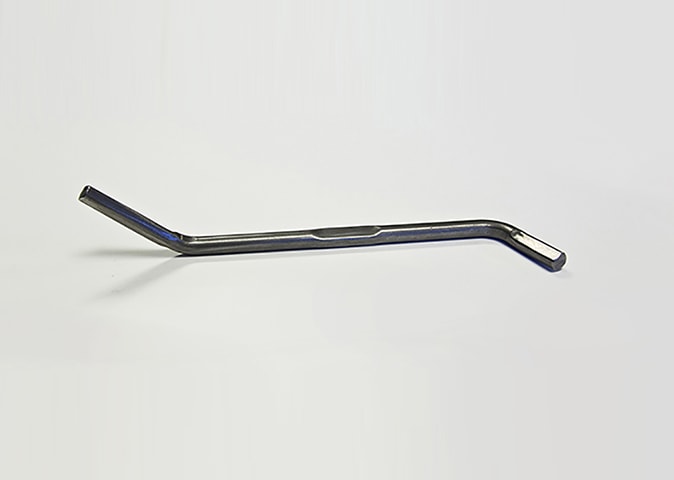
Materials & Finishes We Work With
We work with a broad range of wire materials and finishes, including:
- Materials. Stainless steel, carbon steel, alloy steel, aluminum, and more.
- >Finishes. Passivation, zinc plating, and custom coatings available upon request.
Among these, stainless steel wire forming is well suited to applications where corrosion resistance matters most. If your application calls for a material not listed here, reach out to us, and we’ll walk through what’s feasible.
Wire Forming Design Considerations for Complex Parts
A few factors shape how well a wire form performs once it’s in production. Wire diameter and material grade both affect how tight a bend radius can go before the metal cracks or loses strength.
Tolerance stacking is another key consideration. A design with several bends compounds small variances, so reviewing tolerances early, before tooling is cut, is where the most costly changes get caught. These wire-forming design considerations also extend to secondary operations. Welding, soldering, or attaching plastic components changes how a form should be dimensioned from the start.
Contact MultiTech Industries for Wire Forming Solutions
At MultiTech Industries, we’ve spent over three decades refining our wire-forming techniques to create consistent, high-quality parts. If you’re scoping a new design or need a supplier who can carry your part from prototype to full production, contact our team to get started.